
Product Details
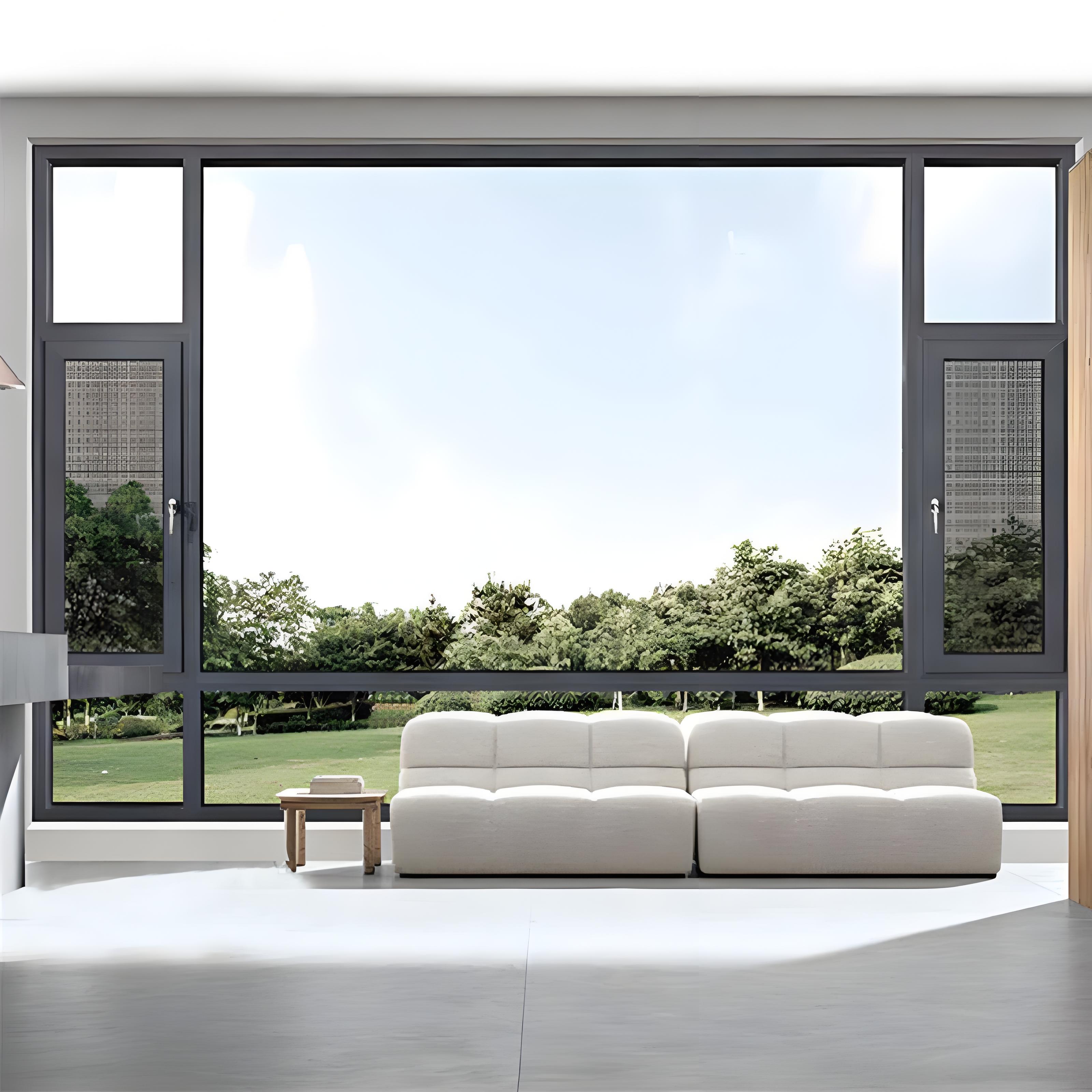

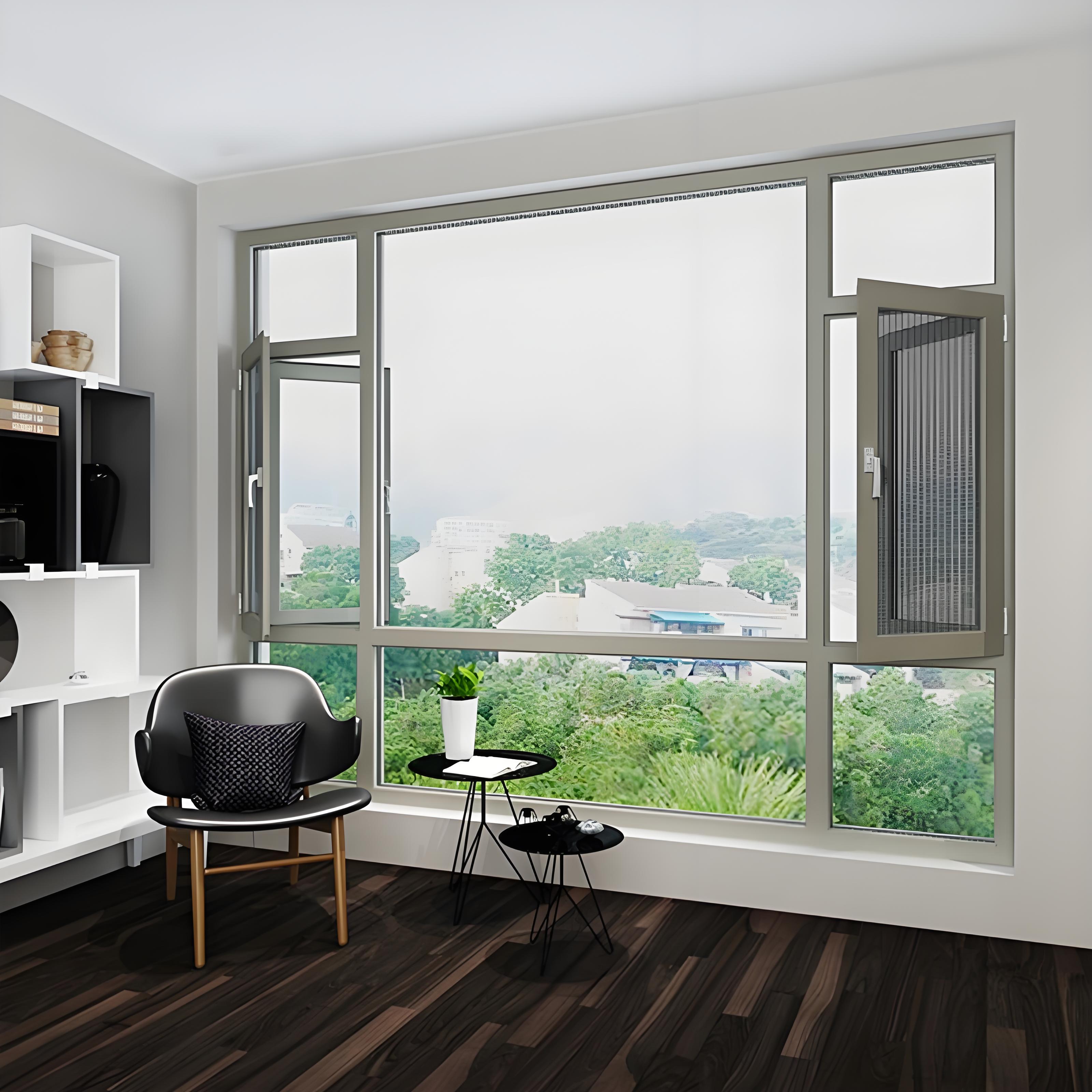
Aluminum alloy windows
Aluminum alloy windows are a common type of architectural windows and doors, widely used in the construction industry due to their multiple advantages.
Material Characteristics
Lightweight and High - Strength: The density of aluminum alloy is about one - third that of steel, which is lightweight and easy to handle and install. Meanwhile, it has high strength and hardness, capable of withstanding large external forces without easy deformation, meeting the requirements of different building structures.
CorrosionResistant: A dense oxide film can form naturally on the surface of aluminum alloy. This oxide film can prevent the further oxidation of aluminum alloy, endowing it with good corrosion resistance. It is not easy to rust even in harsh environments such as humidity, acid, and alkali, with a long service life.
Aesthetic and Durable: Through various surface treatment processes such as anodizing, electrophoretic coating, and powder coating, aluminum alloy can obtain a rich variety of colors and lusters, such as silver - white, champagne gold, and bronze. It can meet the needs of different architectural styles and decoration requirements, with an elegant appearance that is not easy to fade after long - term use.
Structural Design
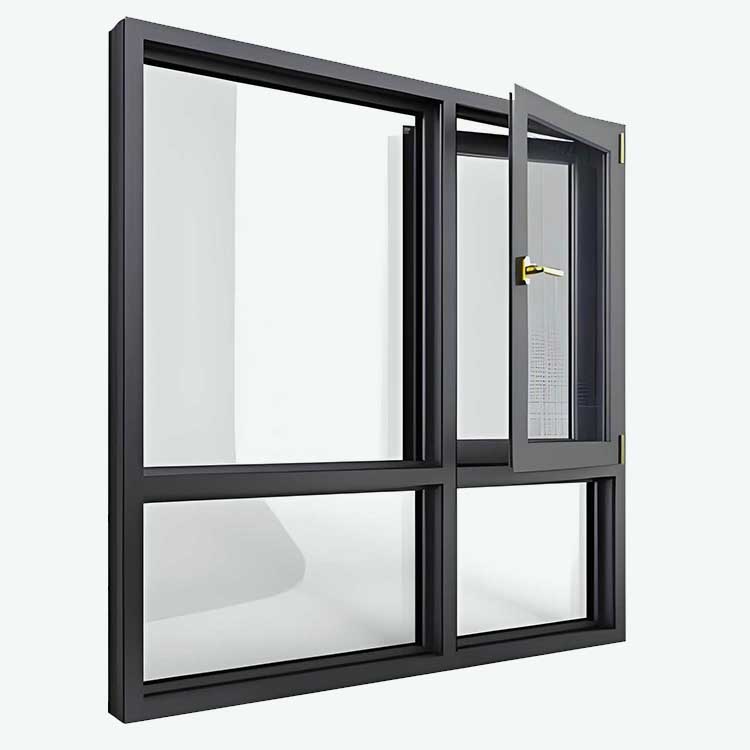
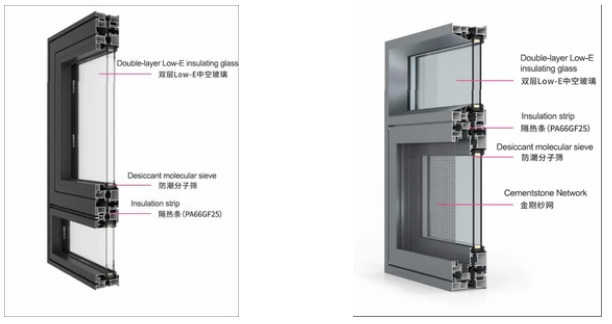
Window Frame Structure: It is usually spliced by several aluminum alloy profiles. The cross - section shape of the profiles is carefully designed to have good sealing and stability. The corners of the window frame generally adopt 45 - degree angle splicing or right - angle splicing and are fixed by special corner codes and screws to ensure a firm connection.
Window Sash Structure: The window sash is connected to the window frame through hardware fittings such as hinges or sliding supports, enabling various opening methods such as casement, sliding, top - hung, and bottom - hung. Glass is usually installed inside the window sash. Between the glass and the window sash, sealing strips or sealants are used for sealing to ensure the sealing, sound - insulation, and heat - insulation effects of the window.
Performance Advantages
Good Sealing: Aluminum alloy windows use high - quality sealing strips and hardware fittings, which can effectively prevent the intrusion of rain, wind, and sand, with good water - tightness and air - tightness.
Sound - Insulating and Heat - Insulating: The profiles of aluminum alloy windows usually have heat - insulation chambers inside, and heat - insulation materials such as insulating glass can be used in combination. They can effectively block the transfer of heat, reduce the energy consumption of indoor air - conditioners, and at the same time have a good sound - insulation effect, providing a quiet and comfortable environment indoors.
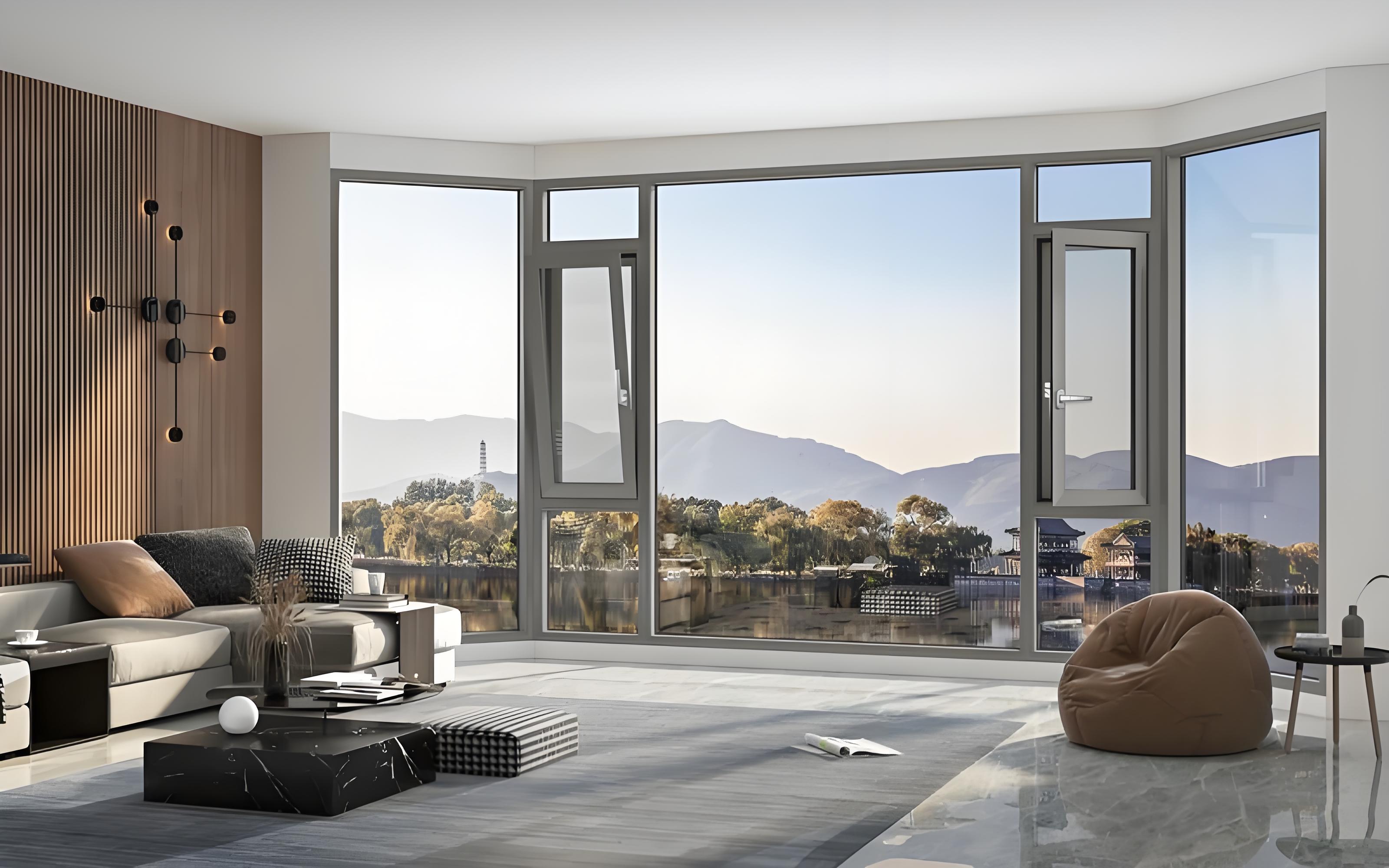
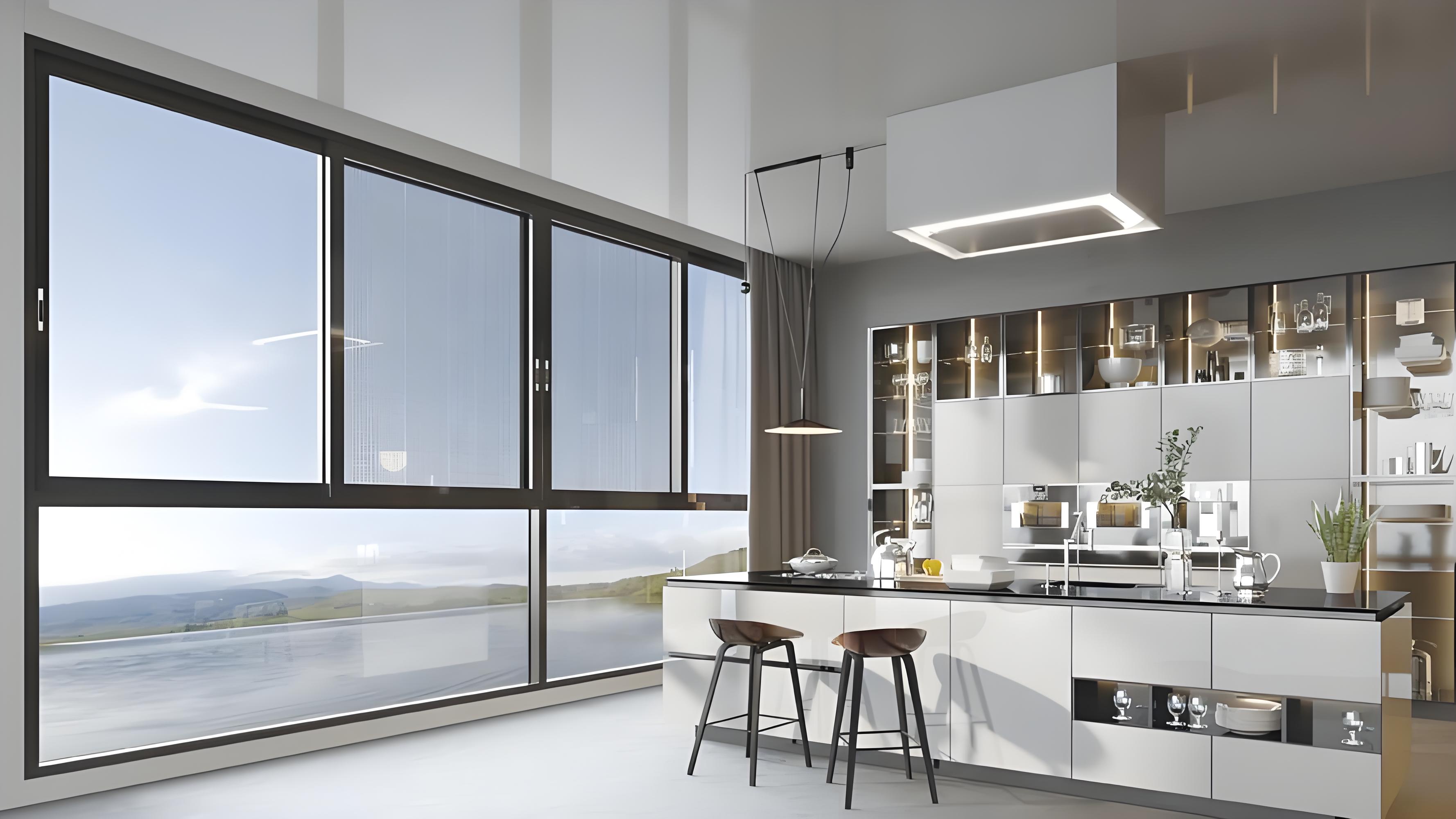
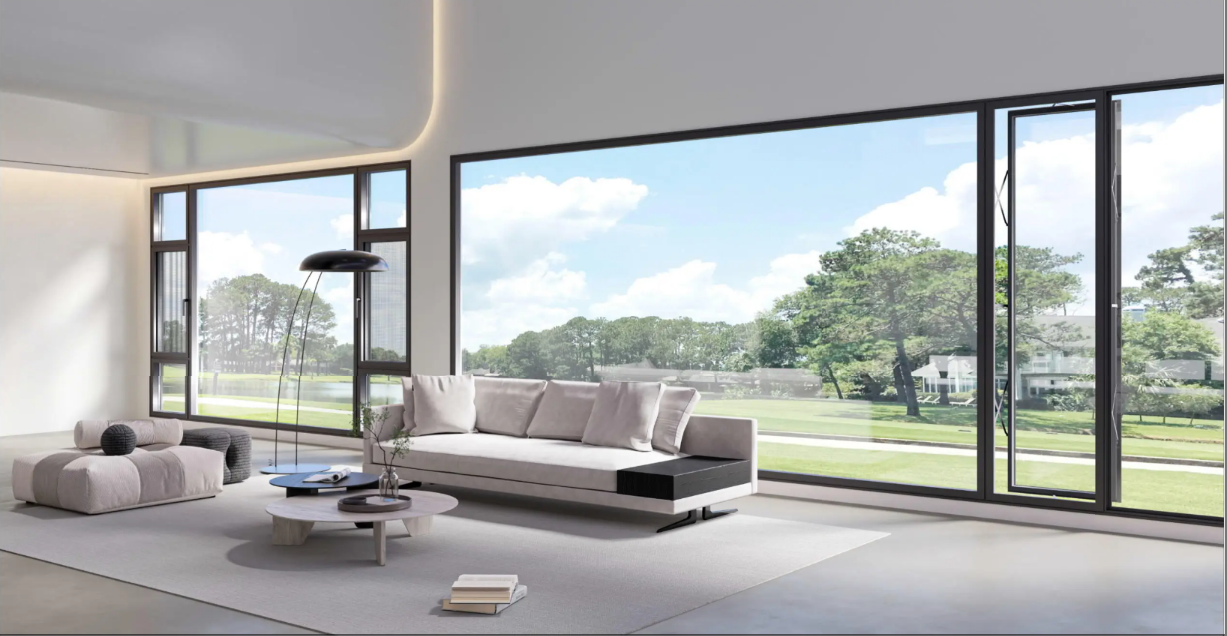
Flexible Opening: Different opening methods meet different usage requirements. Casement windows have a large opening angle and good ventilation effect; sliding windows do not take up indoor space and are easy to operate; top - hung and bottom - hung windows can effectively prevent rain from entering the room while ventilating.
Application Range
Aluminum alloy windows are suitable for various types of buildings, including residential buildings, office buildings, commercial buildings, and industrial plants. In residential buildings, they are often used in bedrooms, living rooms, balconies, and other spaces; in commercial buildings, they can be used for the exterior decoration and indoor partitions of shopping malls, hotels, and office buildings.