The demand for building materials in countries along the Belt and Road has changed, and opportunities and challenges coexist.
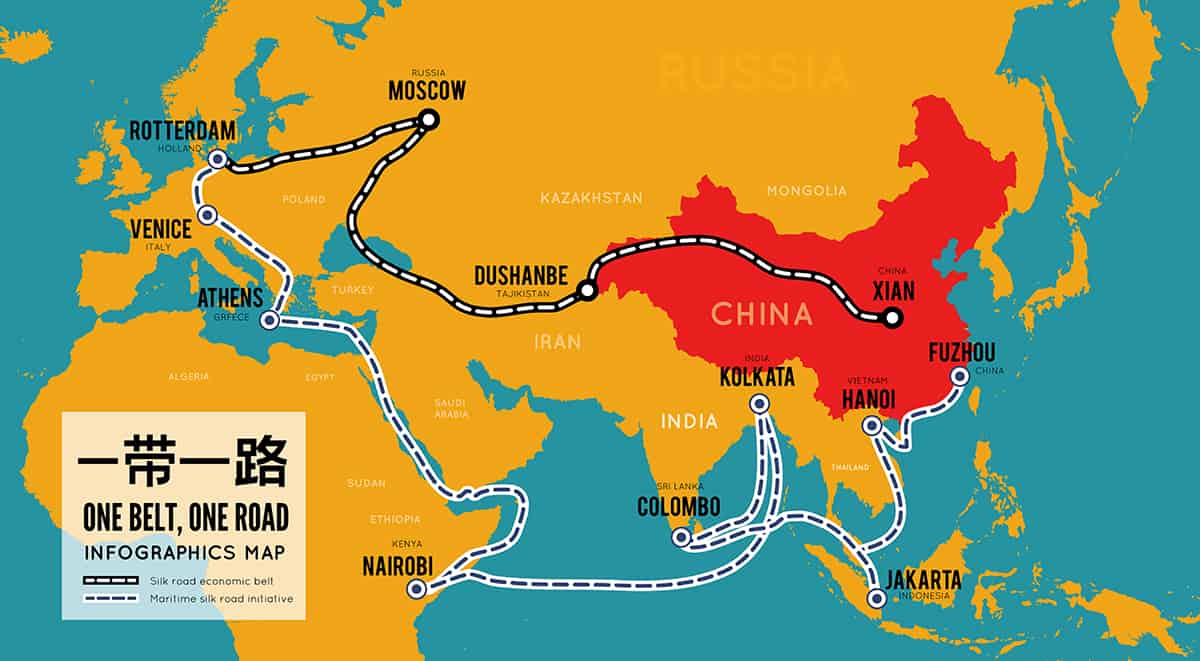
The deepening of the "Belt and Road Initiative" has promoted the vigorous development of infrastructure construction in countries along the route, and the market demand for building materials has shown significant changes.
With the acceleration of urbanization in countries along the route, the demand for housing construction is strong, which directly drives the demand growth of basic building materials such as cement, steel and glass. Take Indonesia as an example, the country plans to build a large number of affordable housing in the next few years, and the demand for cement is expected to continue to rise. At the same time, steel, as the main material of building structure, is indispensable in the construction of high-rise buildings, bridges and other infrastructure. With the continuous construction of transportation infrastructure projects along the "Belt and Road", the demand for high-performance steel, such as high-strength rebar and weather-resistant steel, is increasing.
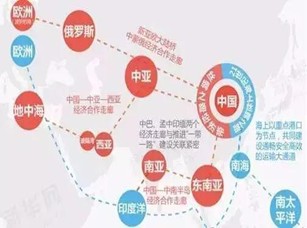
In terms of infrastructure construction, with the large-scale development of roads, bridges, ports and other projects, the demand for building materials is not only reflected in quantity, but also puts forward higher requirements for quality and performance. For example, in bridge construction, high performance concrete is needed to ensure the durability and bearing capacity of the bridge. In addition, the demand for functional building materials such as waterproof materials and thermal insulation materials is also increasing with the improvement of infrastructure construction standards. In some hot climate areas, the demand for thermal insulation materials is particularly prominent to reduce the energy consumption of buildings.
The "Belt and Road Initiative" has promoted the development of green buildings in countries along the route, and the market demand for environmentally friendly building materials has gradually expanded. Many countries have begun to formulate green building standards and encourage the use of renewable and recyclable building materials. For example, bamboo, as a sustainable building material, has been used more and more in some countries in Southeast Asia. In addition, the market share of environment-friendly building materials such as recycled concrete and energy-saving glass is gradually increasing. This not only conforms to the trend of global sustainable development, but also provides new market opportunities for building materials enterprises.
Under the background of "Belt and Road", JOYEE INTERNATIONAL has formulated precise coping strategies from multiple dimensions.
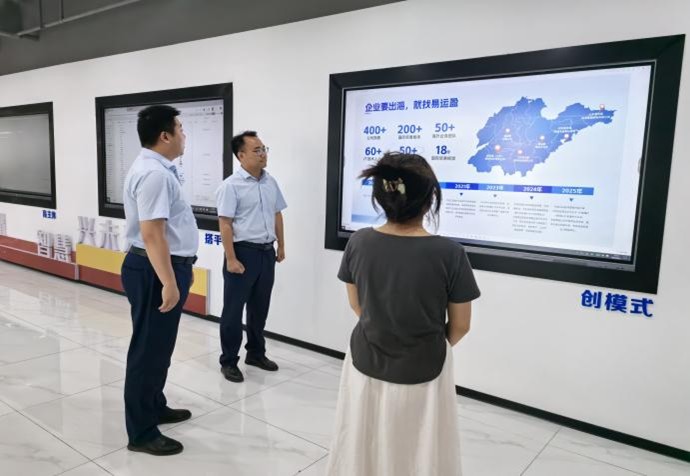
In-depth research, accurate docking needs
JOYEE INTERNATIONAL has invested enough resources to conduct comprehensive and in-depth research on the construction market in countries along the route. Not only do you know the local economic development plan and the list of infrastructure construction projects, but you also know its building standards, norms and cultural preferences in detail. For example, in view of the favor of some countries in Southeast Asia for sustainable building materials such as bamboo, JOYEE INTERNATIONAL has laid out relevant industrial chains in advance to develop bamboo building components that meet local needs; For the climate characteristics of high temperature and dryness in the Middle East, we should increase the research and development and production of building materials with high temperature resistance and sand resistance, such as special heat insulation coatings and steel with strong weather resistance, so as to ensure that the products can meet the actual needs of the local market accurately.

Improve product quality and performance, and create differentiated advantages.
Facing the increasing requirements of countries along the route for the quality and performance of building materials, JOYEE INTERNATIONAL puts product upgrading in an important position. Increase investment in research and development, and cooperate with scientific research institutions and universities to develop high-performance building materials. In steel production, we will focus on improving the quality stability and performance parameters of high-strength rebar and weathering steel to meet the needs of large-scale infrastructure projects such as bridges and high-rise buildings; In the field of concrete, research and develop high-performance concrete suitable for different geological and climatic conditions, such as impervious concrete, lightweight high-strength concrete and so on. By creating differentiated high-quality products, we can form our own core competitiveness and stand out in the fierce market competition.
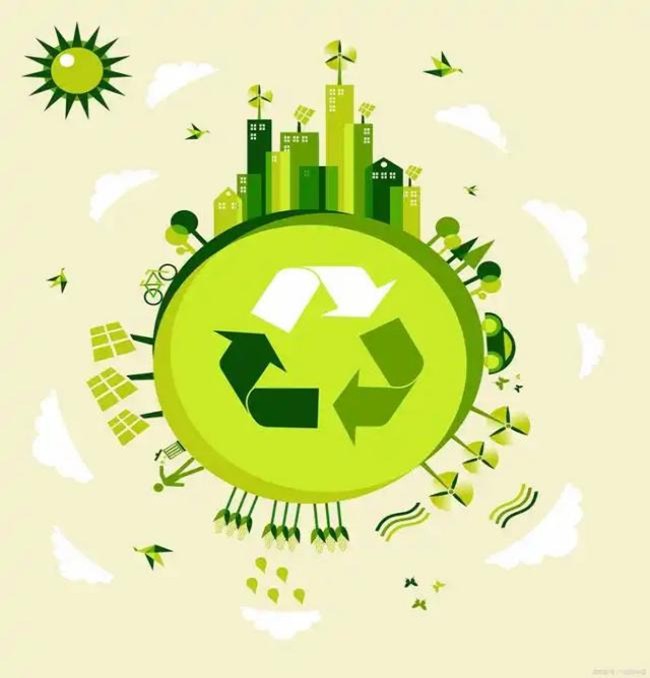
Adapt to the trend of green development and develop environmentally friendly building materials
With the deepening of the concept of global sustainable development, the demand for environmentally-friendly building materials in countries along the route has been expanding, and JOYEE INTERNATIONAL has taken advantage of the trend to actively develop green building materials business. Increase the research and development, production and promotion of recycled concrete, energy-saving glass, new wall materials and other environmentally friendly building materials to achieve a win-win situation of economic and environmental benefits.
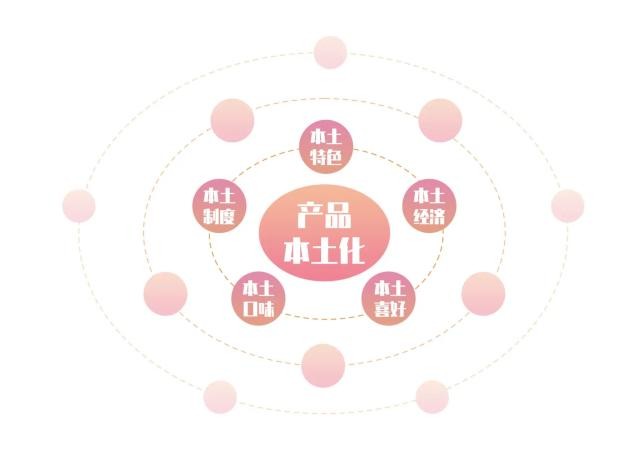
Strengthen localized operation and integrate into local market
In order to cope with the differences of building standards in different countries and the challenges of logistics and transportation, JOYEE INTERNATIONAL adopts the localization operation strategy. On the one hand, the establishment of local storage centers and sales networks can reduce logistics costs, improve supply efficiency and respond to customer needs in a timely manner; On the other hand, it is convenient to establish close cooperative relations with local suppliers and contractors, and better understand and adapt to local market rules and cultural environment. In addition, hiring local employees and cultivating localized management and technical teams will help reduce cultural conflicts and enhance the local recognition and influence of enterprises.

Build a diversified cooperation system and share risks
The Belt and Road Initiative emphasizes win-win cooperation, and JOYEE INTERNATIONAL actively builds a diversified cooperation system to cope with various potential risks. Developing the market together with local enterprises can not only make use of the resources and advantages of local enterprises, reduce the market entry threshold, but also share the investment risks; Cooperate with financial institutions, strive for financing support and risk protection, and solve problems such as project fund shortage and exchange rate fluctuation.
In a word, JOYEE INTERNATIONAL can achieve sustainable development in this potential market only by accurately grasping the demand changes of building materials markets in countries along the Belt and Road, actively adapting to challenges, actively seizing opportunities, and adopting strategies such as in-depth research, product upgrading, green development, localized operation and diversified cooperation.